Episode 133: Michael Nesbitt on How the Senate Pushed Back Against a Government Bill on Searching Digital Devices at the Border

July 04, 2022 00:33:35
Episode 133: Michael Nesbitt on How the Senate Pushed Back Against a Government Bill on Searching Digital Devices at the Border
Law Bytes
Episode 133: Michael Nesbitt on How the Senate Pushed Back Against a Government Bill on Searching Digital Devices at the Border

Jul 04 2022 | 00:33:35

/

Show Notes

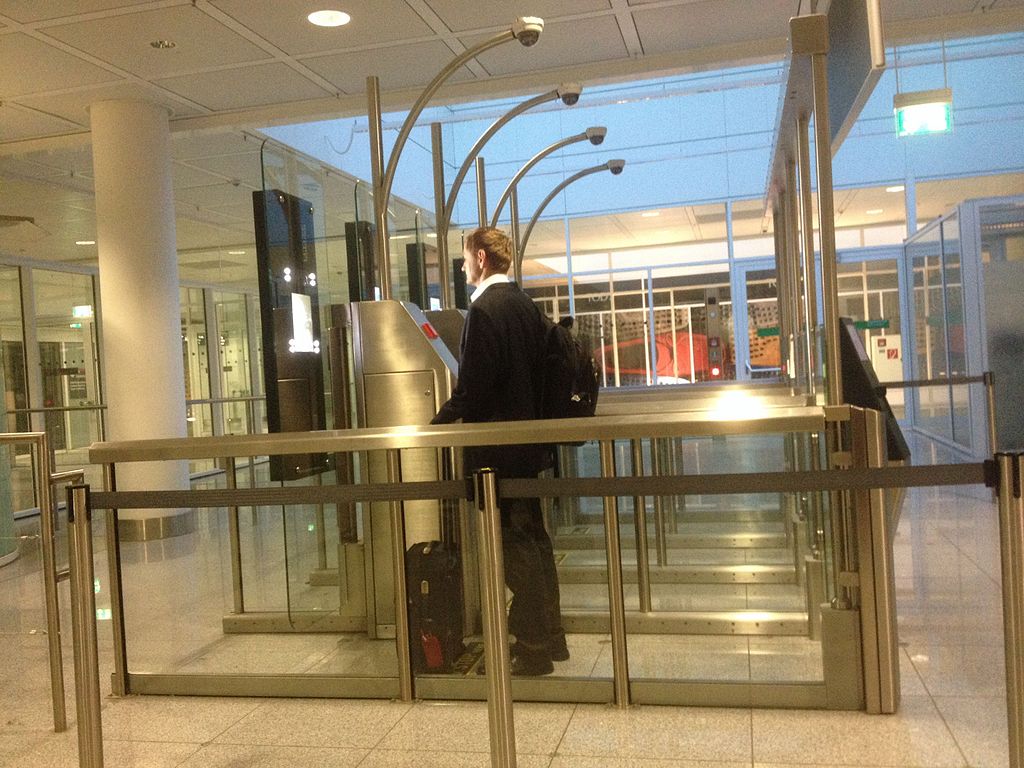
It isn’t every day that a Senate committee examines legislation and makes notable changes against the wishes of the government. But that’s what happened last month as a Senate committee reviewed Bill S-7, which raised significant privacy concerns regarding the legal standard for searches of digital devices at the border. University of Calgary law professor Michael Nesbitt, who teaches and researches in the areas of criminal and national security law, appeared before the committee to argue against the government’s proposed approach. He joins the Law Bytes podcast to talk about the bill, the change at the Senate, and what lies ahead as the bill moves to the House of Commons in the fall.

Other Episodes

Episode 0

November 03, 2025 00:36:55
Episode Cover

The Law Bytes Podcast, Episode 248: Mark Surman on Why Canada's AI Strategy Should Prioritize Public AI Models

AI Minister Evan Solomon’s AI public consultation – framed as a 30 day sprint – wrapped up last week with expectations that the government...

Listen

Episode

November 25, 2024 00:30:24
Episode Cover

Episode 220: Marina Pavlović on the CRTC’s Plans to Address Consumer Frustration Over Wireless Contracts

Consumer frustration with just about everything associated with Canadian communications services is well known. The list of concerns is long: high prices, contracts that...

Listen

Episode 0

October 20, 2021 00:39:10
Episode Cover

Episode 10: Lowdown on Lawsuits - James Plotkin on Copyright Threats, Notices, and Lawsuits

Copyright threats and lawsuits against individuals have been around in Canada since 2004, when they were rejected by the federal court. Those threats receded...

Listen